


Solved: The mystery of Agatha Christie’s enduring appeal
Solved: The mystery of Agatha Christie’s enduring appeal

A.N.WilsonWed, July 29, 2026 at 12:20 PM UTC
0
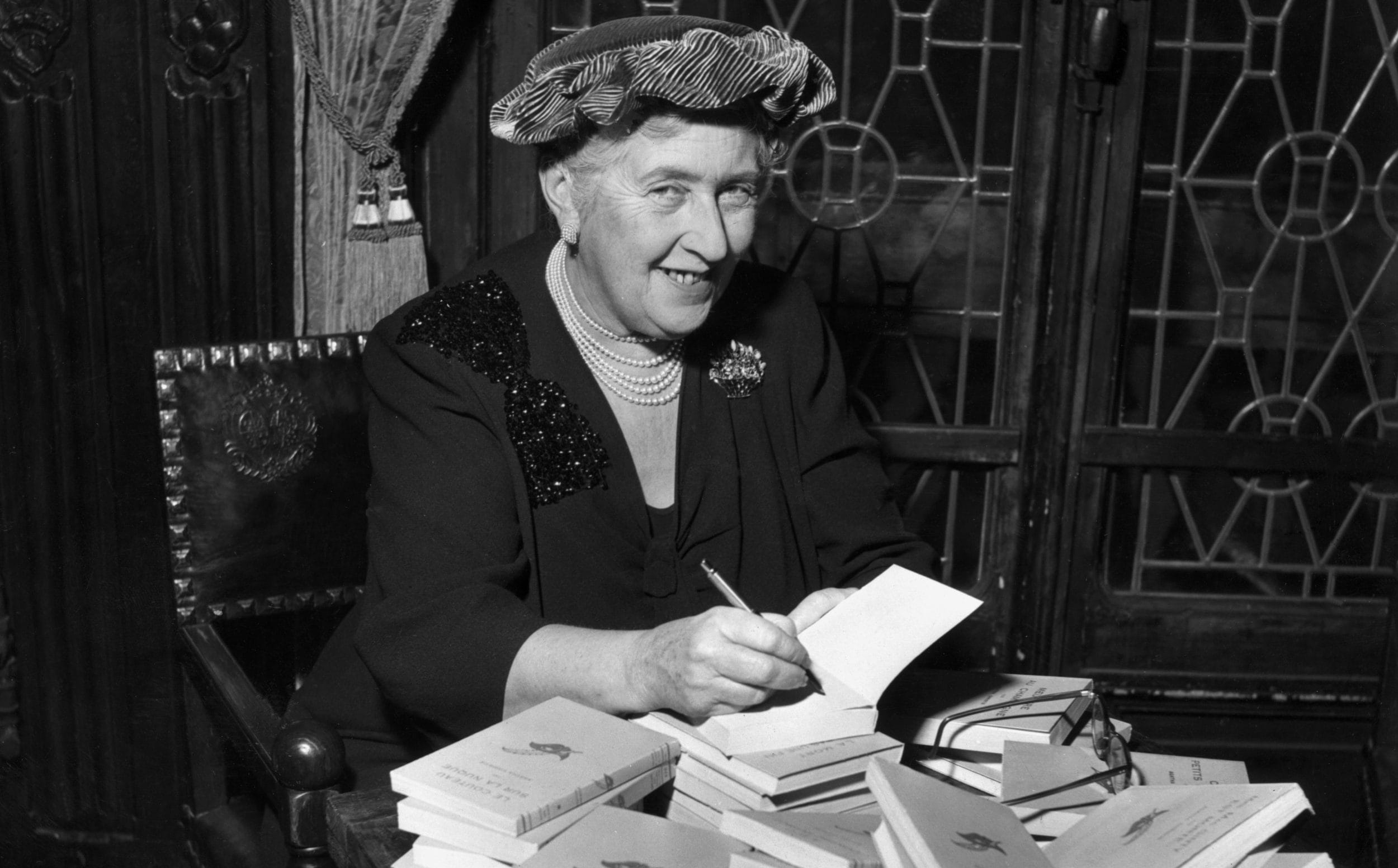
Christie novels were written from the utter certainty that the universe is governed by moral principles - Hulton Archive/Getty Images
In British eyes, there is always something fishy about success, particularly in a writer. We like to overlook the fact that Shakespeare was extremely famous in his day. The huge popularity of his plays, and the vast wealth he accumulated, allowed him to build New Place in Stratford.
The best-selling novelist of the 19th century also happened to be the best: Charles Dickens. So, I am not persuaded that Agatha Christie’s quite stupendous fame and popularity are signs that she was not worth taking seriously as a writer.
Regardless, she continues to coin it in even 50 years after her death. Agatha Christie Limited, led by the author’s great-grandson James Prichard, made pre-tax profits of £20m in the year to the end of December, up from £13.7m the year before.
The company, whose ownership is split between her family and the US-based film company RLJ Entertainment, paid out a dividend of £9.25m, compared with £5.3m the year before.
Meanwhile, in London’s West End, The Mousetrap, Christie’s completely brilliant play, has broken all theatre records. Since 1952, it has been performed without interruption to enraptured audiences. I have been twice, on each occasion with someone aged nine. That’s the ideal age for it.
When I was a literary editor on another newspaper, I was lucky enough to get the great crime aficionado, Julian Symons, to review crime fiction for me. He could never see the point of Christie, and I think it was because he was looking for something in her work which she never even attempted.
He liked fiction which happened to be about crime, its inner psychological workings. To him, therefore, the greatest crime story was Fyodor Dostoevsky’s Crime and Punishment.
But Christie’s Who-dunnits are a quite different order. Once you recognise this, you understand their appeal.
Devotees of the so-called “Golden Age of Crime” like to tell you that Josephine Tey was a “better” writer, that Margery Allingham had more wit or warmth, that Dorothy .L. Sayers created fully rounded novels which were real works of literature. (I so disagree about the last named, by the way. I find Sayers preposterous and give the widest of berths to all the adventures of Lord Peter Wimsey).
There are three things which distinguish Agatha Christie and place her way above her coevals.
Advertisement
One is the sheer ingenuity of the plots. I have recently read Sparkling Cyanide for the first time. Being a Christie addict, I half-guessed what was going on about halfway through the story but, in case you have not read it, I won’t disclose. (Incidentally, this masterpiece has neither Poirot nor Marple investigating).
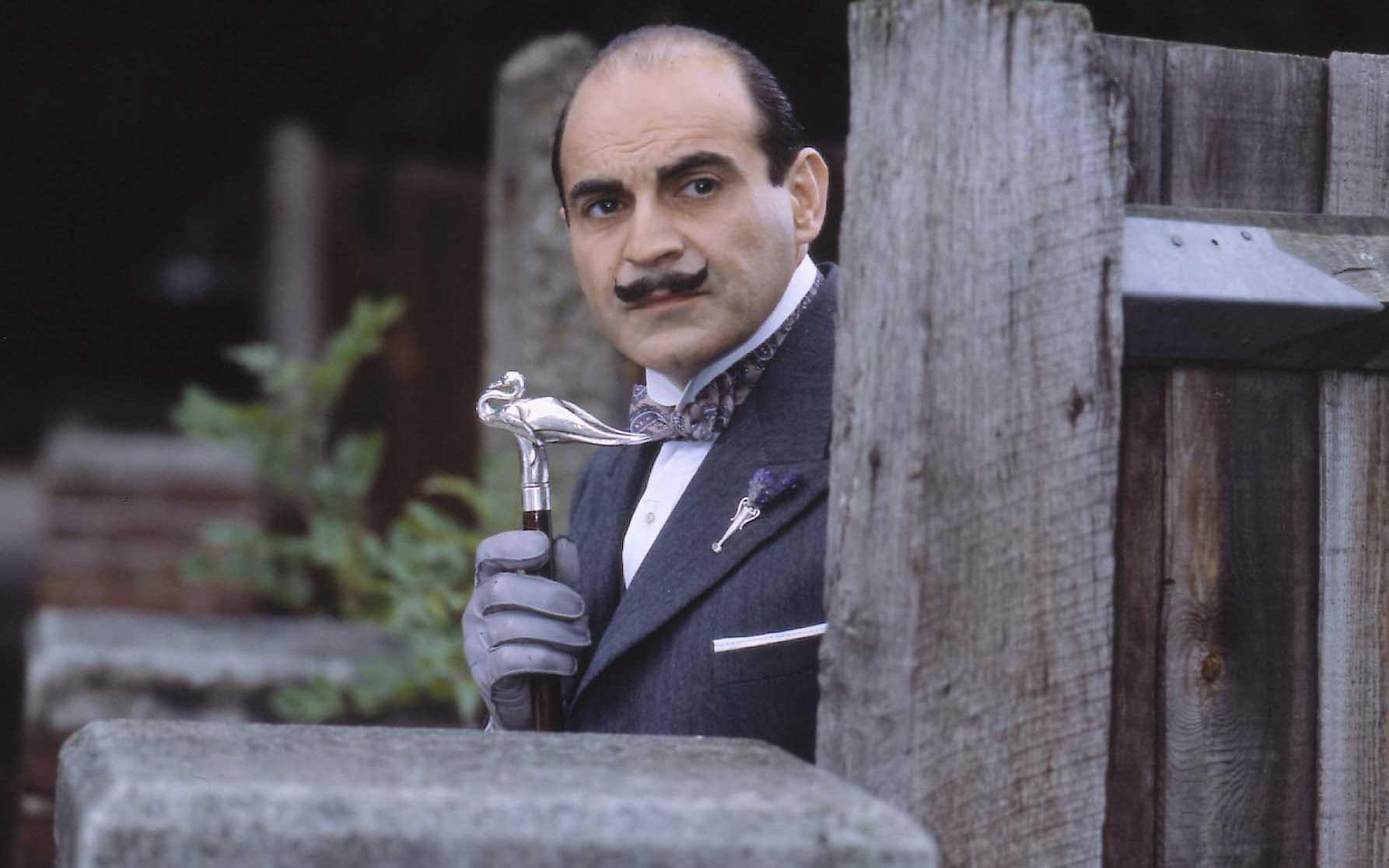
Christie’s Hercule Poirot was brought to life most famously by David Suchet - Avalon
My distinguished namesake Edmund Wilson, the great American critic, wrote an essay entitled Who Cares Who Killed Roger Ackroyd? Yet, mysteriously, you DO care.
This point emphasises my second reason for Christie’s enduring popularity. We care partly because, like Allingham and Tey – though unlike the snobbish, strutting Sayers – Christie depicts a world of fundamental decency, which is disturbed by malice.
Sometimes, the “decency” becomes twee, as in the case of Tommy and Tuppence, to whom I am allergic.
Nor do I read the efforts of contemporary writers to reproduce the old Christie magic. Sophie Hannah is a superb poet and a good crime writer in her own right, but after only a chapter of her Poirot novel, I could admire the effort, but not the result.
Lucy Foley has just delivered a new Miss Marple novel to the publisher. In my view the Christie estate should be happy with the millions it is making from genuine Agatha Christie material and not encourage modern authors to try to imitate her.
That brings me to the third element in her success. She does not advertise the religious element to her stories (though Poirot is quite open about his Catholicism – he made the sign of the cross over the corpse in the last one I read – Murder in Mesopotamia – another brilliant plot by the way).
But the Christie novels were written from the utter certainty that the universe is governed by moral principles. That is why so many of the books are not so much attempts to identify Who Dunnit? as patient proofs by Miss Marple or Poirot of Who Didn’t Do it?
At least half the stories are about establishing the innocence of the falsely accused, whereas nearly all the other writers in the Golden Age were plodding towards the establishment of guilt.
AN Wilson is the author of more than 30 books and the former literary editor of the Evening Standard
Source: “AOL Entertainment”
